

Meet Dylan John, Project Manager at Rycon Construction and a Champion of doing things differently
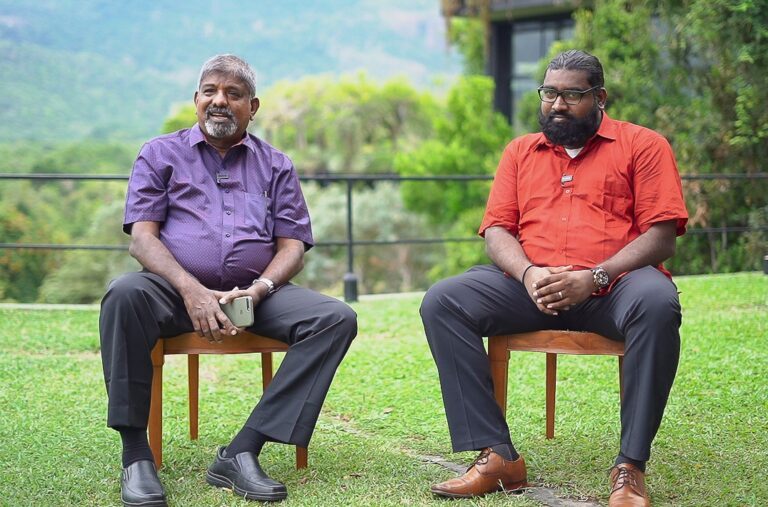
Dylan John grew up around construction in the most literal sense. His father ran a residential and commercial construction firm in Colombo, Sri Lanka; his mother led business development, and together they made project walkthroughs part of their weekend routine. “We would go to church in the morning, and then on the way back, we’d stop by one or two sites just to check on things. That’s just what Sundays looked like for us,” Dylan says.
It didn’t feel like anything special at the time, just something they did. But in hindsight, that early exposure to job sites has left its mark and quietly shaped the way Dylan sees construction now. “I didn’t realize it then, but that experience shaped everything: the way I think about buildings, people, and how projects come together.”
From Family Legacy to Building a Name of His Own
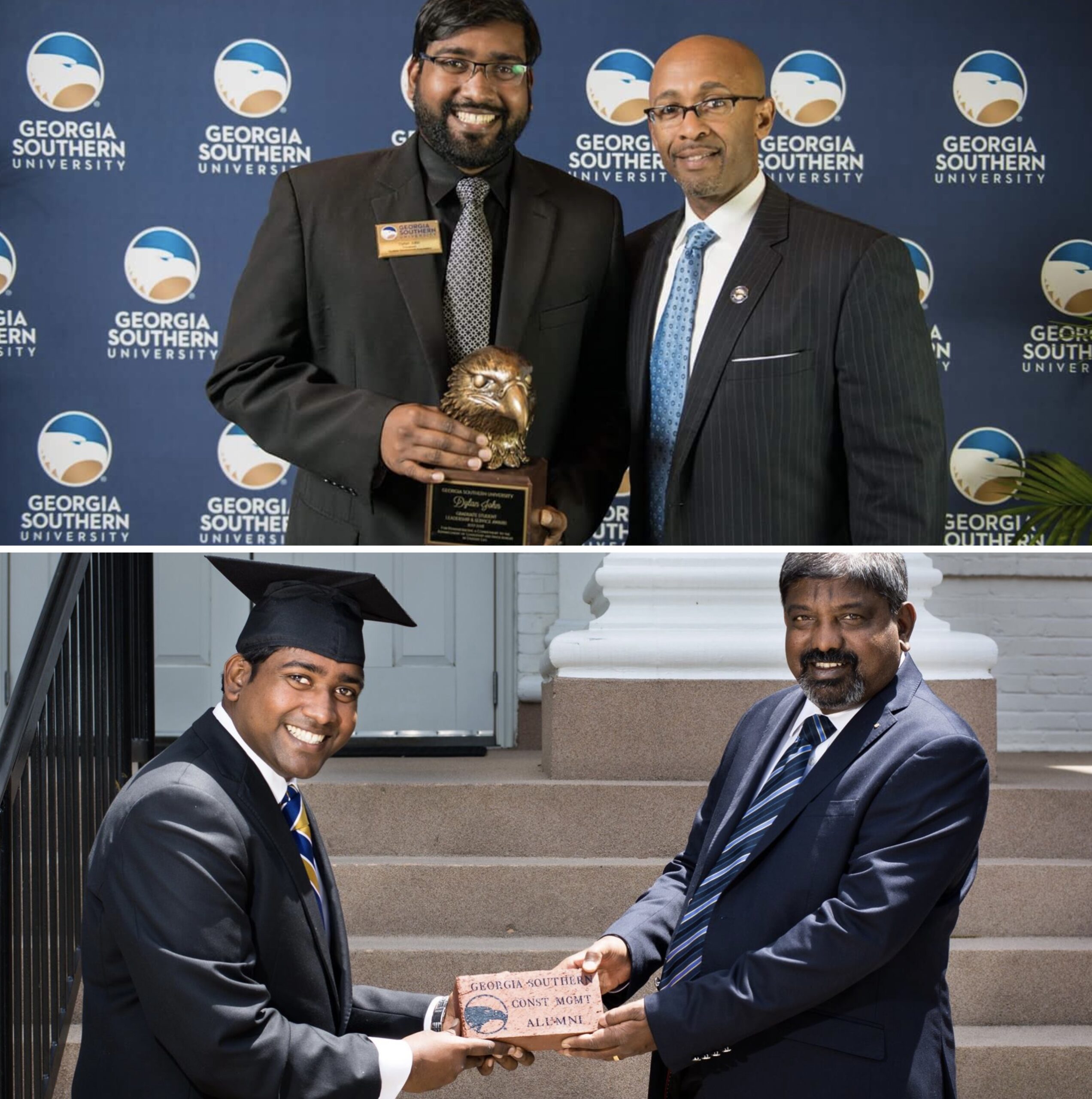
When Dylan moved to the U.S. in 2011, the original plan was clear: earn a degree, then head back to Sri Lanka and take over the family business. But during his master’s program in Construction Management at Georgia Southern University, things started to shift.
He became increasingly interested in the mechanics of project delivery, how decisions get made, how success is measured, and how technology can change outcomes. That led to a masters thesis where he built a Construction Key Performance Index, exploring ways to evaluate performance more systematically. He also dug into emerging tools like BIM and drone scanning and how they could improve site efficiency and planning.
Grad school also brought an unexpected opportunity: Dylan was elected student government president. It was less about titles and more about learning how to bring people together, even when they didn’t agree. He found himself listening more, asking better questions, and stepping in to help when something needed fixing.
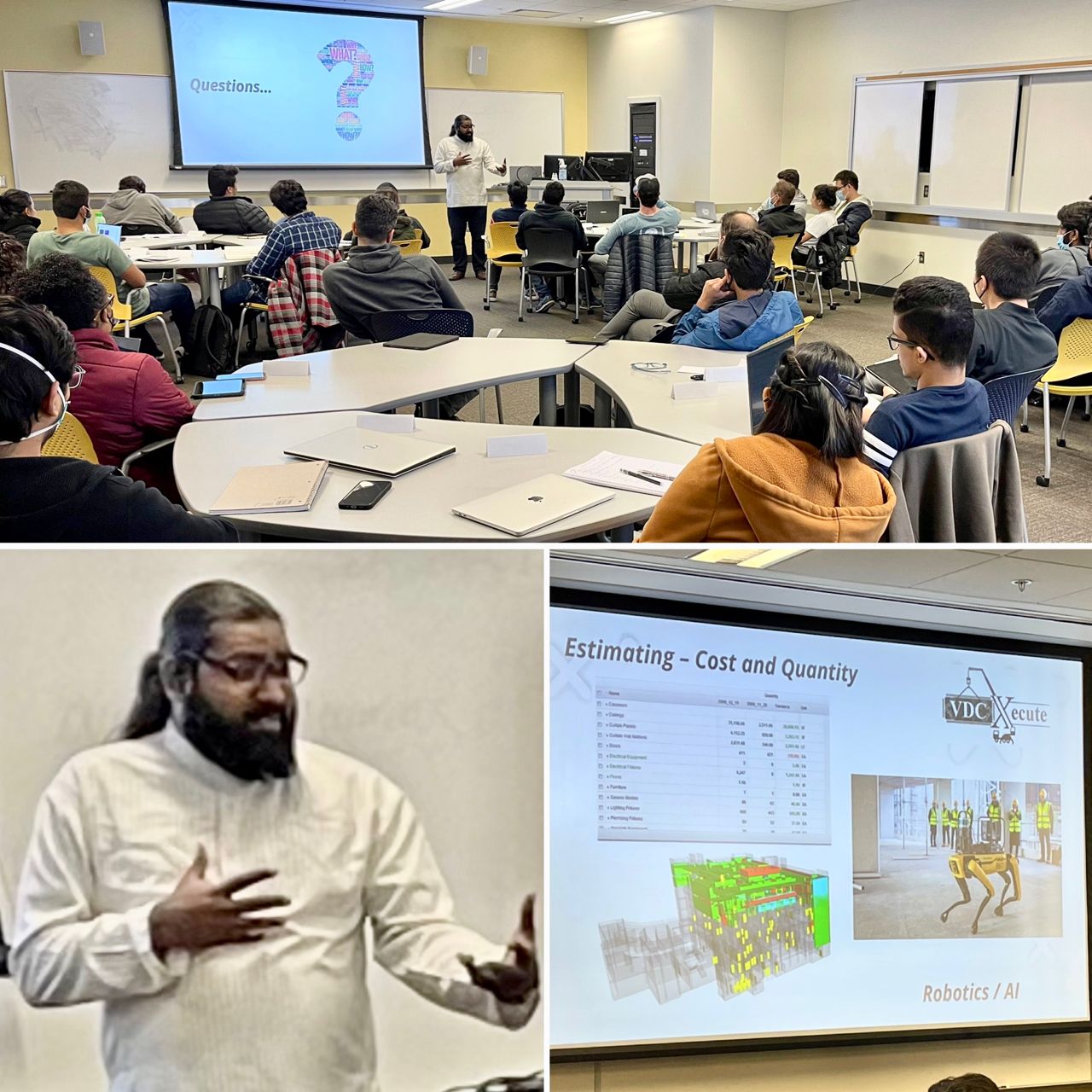
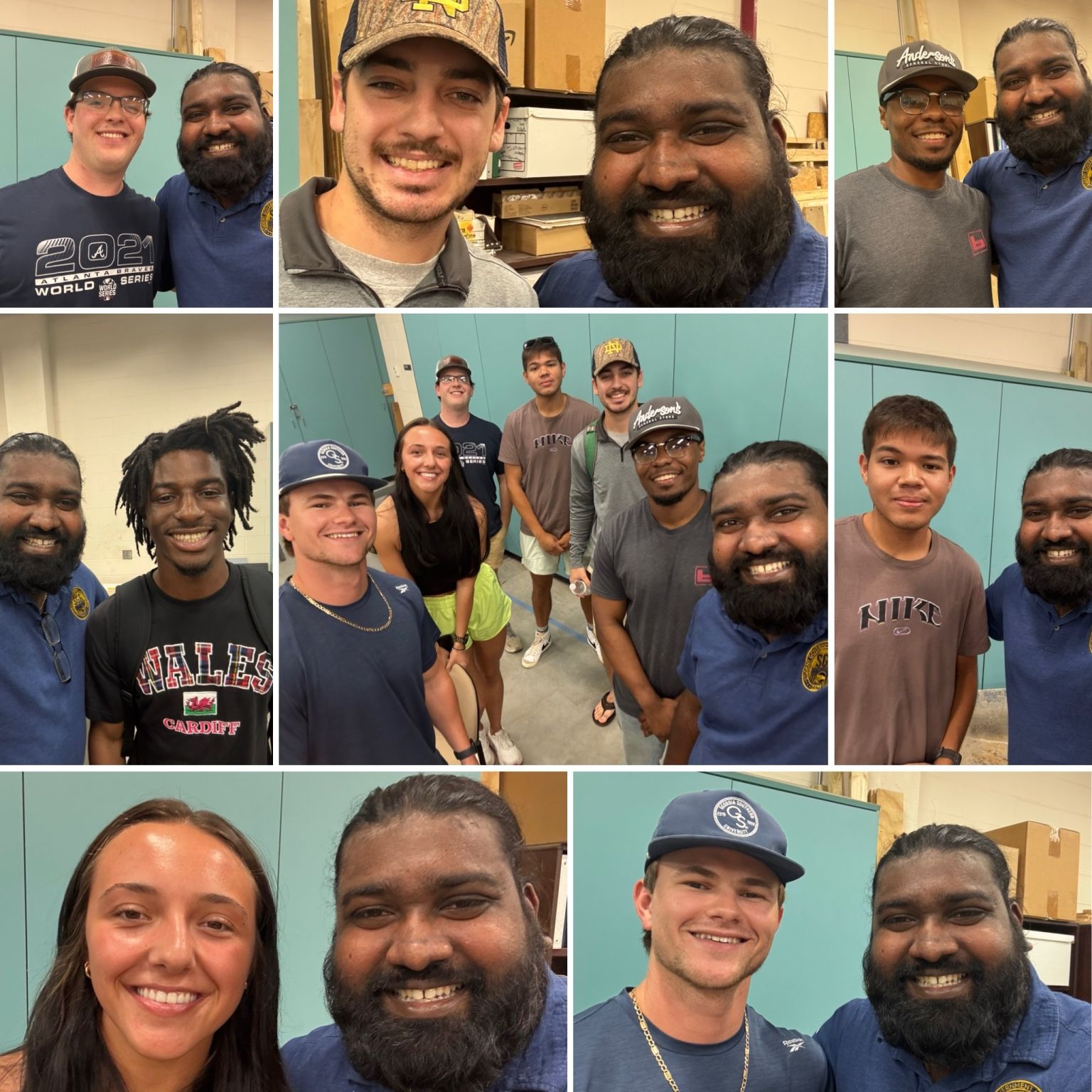
That experience stuck with him. Years later, he still makes time to teach construction management part-time at the same university he once studied at. He leads classes of over 120 students each semester while managing active projects at Rycon.
For Dylan, teaching has become one of the most meaningful parts of his career. Becoming a professor felt like a turning point, a chance to step back and articulate the work he was doing day to day. It’s a role he continues to find deeply rewarding. “We move so fast in this industry, we rarely slow down to train. This gives me space to do that and make sure others are ready for what is ahead,” he says.
Building at Rycon — Beyond the Scope
When Dylan joined Rycon in 2023, he brought with him a clear sense of dual responsibility, one grounded in delivering projects and the other in exploring where construction technology is heading.
He describes the balance through a simple analogy. Project management, he says, feels like marriage: something steady and familiar. The technology side is more like being a parent: newer, full of learning curves, and driven by curiosity about where it might lead.
Within his first year, Dylan co-founded Rycon’s Construction Technology Workgroup, an initiative that brings together people from all nine branches to evaluate tools, share lessons, and push the company’s tech thinking forward. The group meets monthly, discussing software, workflows, and broader trends, with the long-term goal of helping shape Rycon’s technology roadmap.
At the same time, he’s been managing an increasingly diverse set of projects as a project manager. Where he once handled a single project at a time, Rycon has given him the opportunity to lead three to five simultaneously across various sectors such as storage, nuclear pharmacies, swim schools, car dealerships, hotels, apartment complexes, etc.
That variety, along with Rycon’s openness to new ideas, has pushed Dylan to grow as both a builder and a technologist. “At Rycon, when you bring up an idea, it’s not a closed door,” he says. “They’ll ask you why, ask you how. That kind of curiosity makes you sharper and more thoughtful about how you present new tools.”
A Day in the Life: Leading Projects, Testing Tools, and Staying Ahead
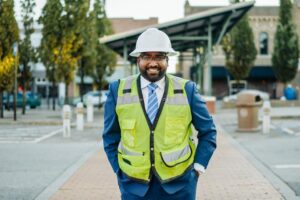
For Dylan, no two days at Rycon look quite the same, but they usually start the same way. His mornings begin with calls to his superintendents. These check-ins help surface on-site issues, align priorities, and shape the agenda for the rest of the day. By the time he gets to the office, he already knows where his attention is needed the most.
From there, the pace picks up. He moves between project meetings, client check-ins, coordination calls, intern training, and conversations with software vendors. As a project manager, Dylan oversees three to five jobs at any given time, balancing field operations with technology initiatives. The current tech stack includes platforms like Procore, AR/VR pilots, site logistics tools, site monitoring tools, etc.
Technology isn’t something he uses in isolation; it’s something he integrates into both his project work and his teaching. Whether it’s helping superintendents onboard new workflows or encouraging students to build AI prompts and generate creative outputs, Dylan treats emerging tech as a hands-on opportunity to learn, test, and evolve.
Using Track3D to Keep Projects and People Aligned
 For Dylan, one of the biggest challenges in construction monitoring is how scattered the data is. Updates come from different people in different formats, and it’s not always clear where to find them. “Nothing seems to talk to each other,” he said, and that disconnect makes it harder for teams to get aligned or learn quickly.
Before joining Rycon, Dylan had already seen what Track3D could do, and it stayed with him. So, when he stepped into a role where he could pilot new tools, it was one of the first monitoring tools he brought into his team’s workflow.
Today, it’s become a regular part of Dylan’s coordination routine. His team uses Track3D to walk subcontractors through site conditions, especially those based out of town, saving time and reducing the need for early site visits. In one case, a steel subcontractor in Charlotte was able to virtually explore the project site in Atlanta using Track3D, cutting down unnecessary travel and speeding up preconstruction planning.
The platform also supports day-to-day coordination with superintendents and plays a growing role in QA/QC. Dylan recalled a walkthrough where the team identified design gaps by comparing captured site visuals with the BIM model, spotting issues earlier, and preventing rework. And it’s not just internal teams that benefit. “Our owners love the visibility,” Dylan shared, citing how one client chose to expand Track3D’s use across multiple projects.
What’s impressed him most, though, is the team behind the tool. On one particularly complex project, the AI struggled to interpret repeated and identical layouts. But instead of brushing it off, the Track3D team leaned in, acknowledged the challenge, and kept working toward a solution. That openness, Dylan says, is what sets Track3D apart from others.
Outside the Jobsite
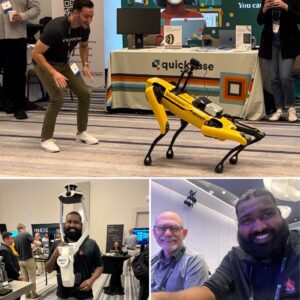 Dylan’s schedule might be full, balancing active job sites, tech pilots, and university lectures, but he’s deliberate about carving out time for himself.
He’s an avid networker, someone who genuinely enjoys meeting new people, listening to different perspectives, and having open-ended conversations about everything from construction trends to politics and philosophy.
For quiet time, you’ll most likely find him in a movie theater by himself. Dylan’s a firm believer in solo movie nights, complete with a giant popcorn and no distractions. “That’s my reset button,” he says, recalling how, back in grad school, the theater staff even memorized his order.
He also loves to travel. Road trips are a particular favorite, the kind where there’s no agenda beyond good music, winding roads, and a few days to take it all in.
Doing Things Differently, on Purpose
If there’s a common thread in Dylan’s story, it’s this: it’s his drive to bring smarter and more effective approaches to construction.
Whether it’s refining Rycon’s internal workflows, pushing construction tech to be more responsive, or helping the next generation of builders ask better questions, he’s working at the edge of where construction is headed, with a foot firmly planted in the field.
Dylan’s story is a powerful reminder that construction’s future is being shaped on the ground by people willing to do things differently.
Think your work is challenging the norm? We’re all ears! Tell us here.