
Construction Site Photo Documentation: A Complete Guide

Construction site photo documentation is the process of capturing, organizing and using jobsite images, so the whole team has one shared visual record instead of photos that are scattered across multiple sources. Key Takeaways What is Construction Site Photo Documentation? A PlanGrid report found construction teams lose an average of 35% of their time to […]
Construction Photo Documentation: Methods, and Management
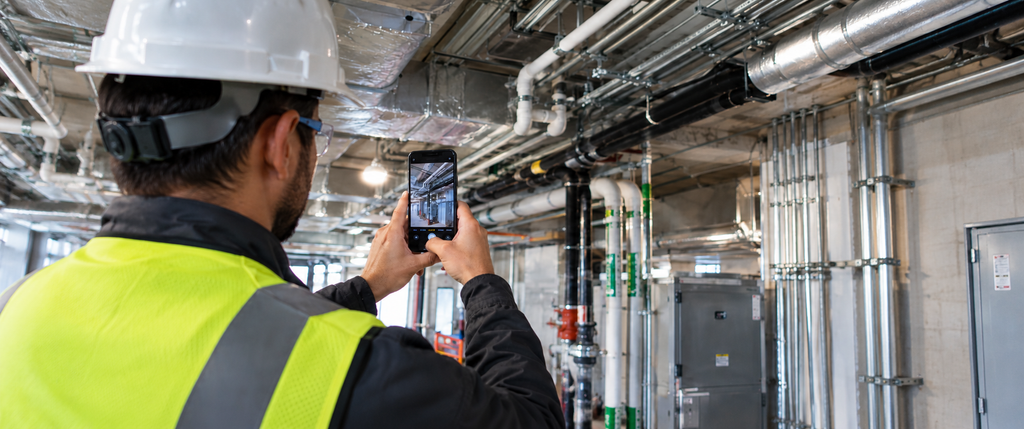
Construction photo documentation is the practice of recording a site’s conditions through images. The method you choose – handheld phone photo, fixed-position, drone, or 360-degree, decides what that record can actually tell you later. Key Takeaways Why Construction Photo Documentation Matters A handheld photo taken from the wrong angle and a fixed camera nobody bothered […]
Multifamily Construction: Progress Tracking by Unit
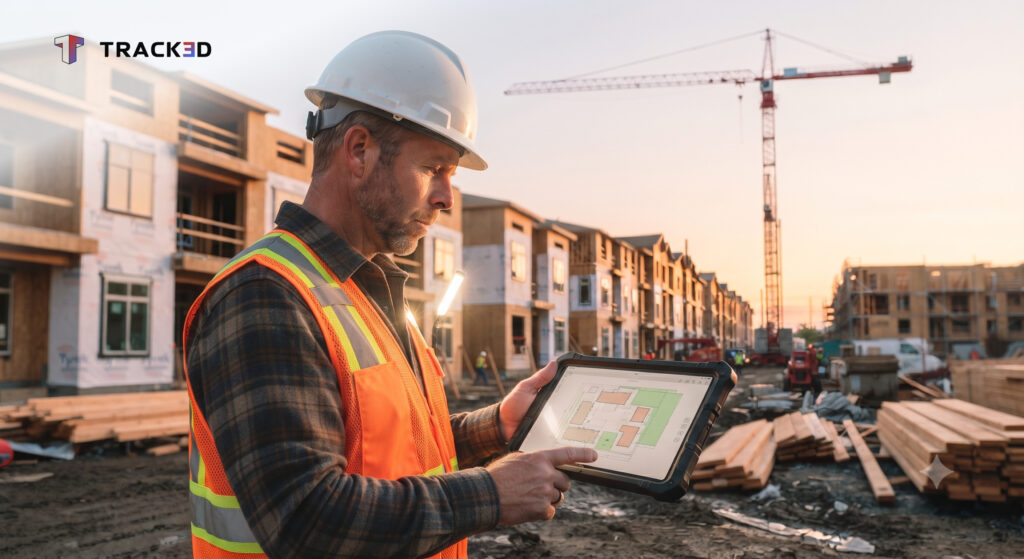
Multifamily construction progress tracking gets complicated fast once a project has more than a handful of units. A single-family home has one kitchen, one roof, one set of MEP runs to track. A multifamily construction project might have 200 nearly identical units moving through the same trades at once. Mix up which unit is done, […]
Reality Capture in Construction: How Teams Capture and Use Site Data
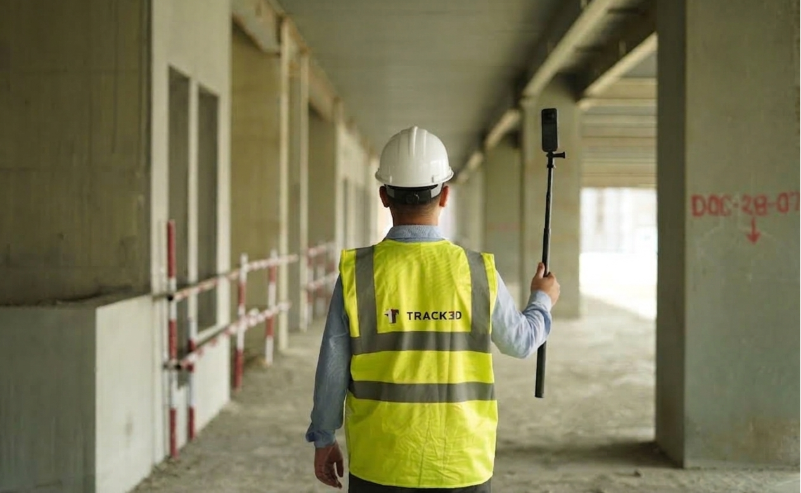
If you’re in the AEC space, you might have already come across the term Reality Capture. It is one of the many technological advancements in the industry that has steadily gained adoption over the past decade. There’s a lot to unpack when it comes to Reality Capture on how it works, how it helps project […]
360 Camera Construction Documentation: A Builder’s Guide

Introduction In today’s fast-paced world, conventional means of construction documentation, like stacks of site photos, handwritten notes, and spending hours trying to piece together what happened on the jobsite, are no longer relevant. This is where smart teams consider a 360 camera construction setup. How easy would it be if all the conditions of the […]
AIA G702 and G703: How to Fill Out a Construction Payment Application.

Learn how to prepare a construction payment application using AIA G702 and G703, including the schedule of values and how to bill retainage correctly.
How to Verify Prefabricated Construction Components On Site
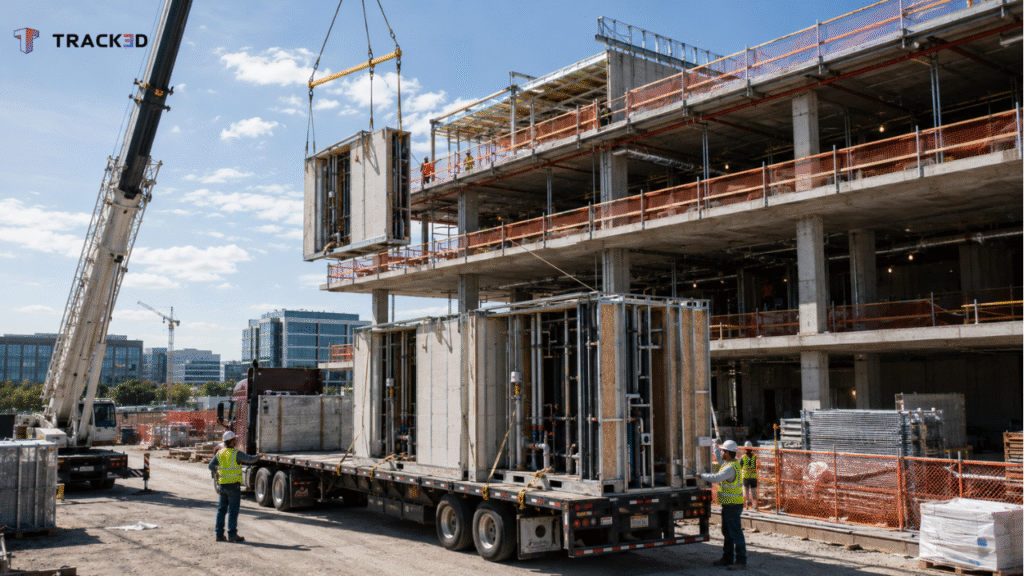
A prefabricated bathroom pod arrives on a mid-rise jobsite with a factory quality stamp already on it. A crew sets it in place. Only during rough-in does an electrician notice the panel box sits on the wrong wall. The factory finished its job, and the verification on site never happened. A 2026 systematic review published in Sustainability studied modular […]
Introducing Track3D’s SMS Agent: The Fastest Way to Know Where Your Project Stands

A year ago, we introduced TED, Track3D’s AI assistant built into the web app, so you could ask a progress question and get a real-time answer without digging through a dashboard. It’s since become one of the most-used ways people get answers out of Track3D, because most of the time, you don’t need a comprehensive report. You need a progress number, and you need it […]
Progress Payment in Construction: Process, Schedule and How to Get Paid
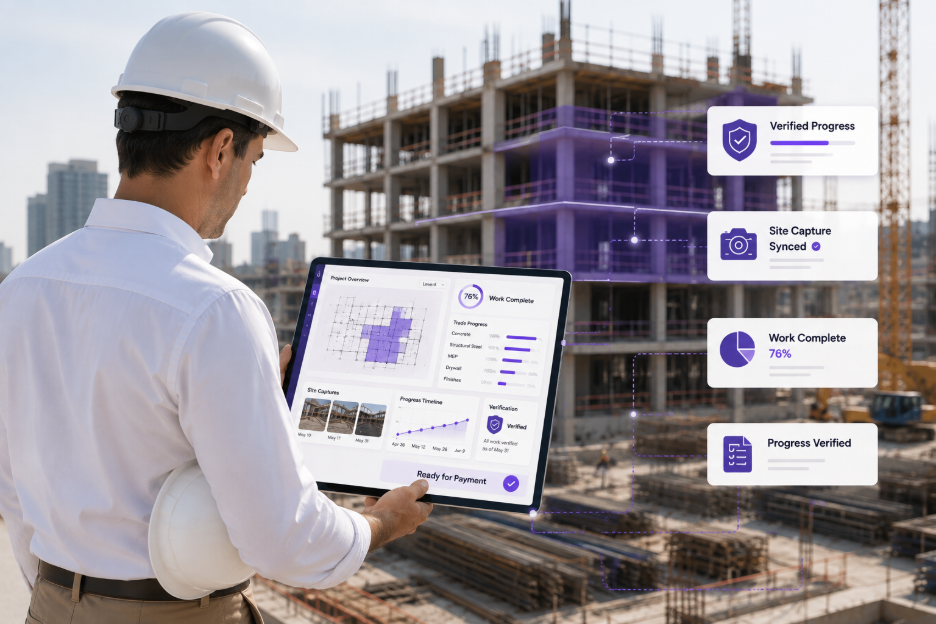
A progress payment in construction is a partial payment for work already done, not one lump sum at the end of a project. An owner or general contractor pays it to a contractor or subcontractor as work moves forward. This keeps cash flowing through construction projects that might last months or years. It also ties […]
BIM Coordination: Process, Tools & Best Practices
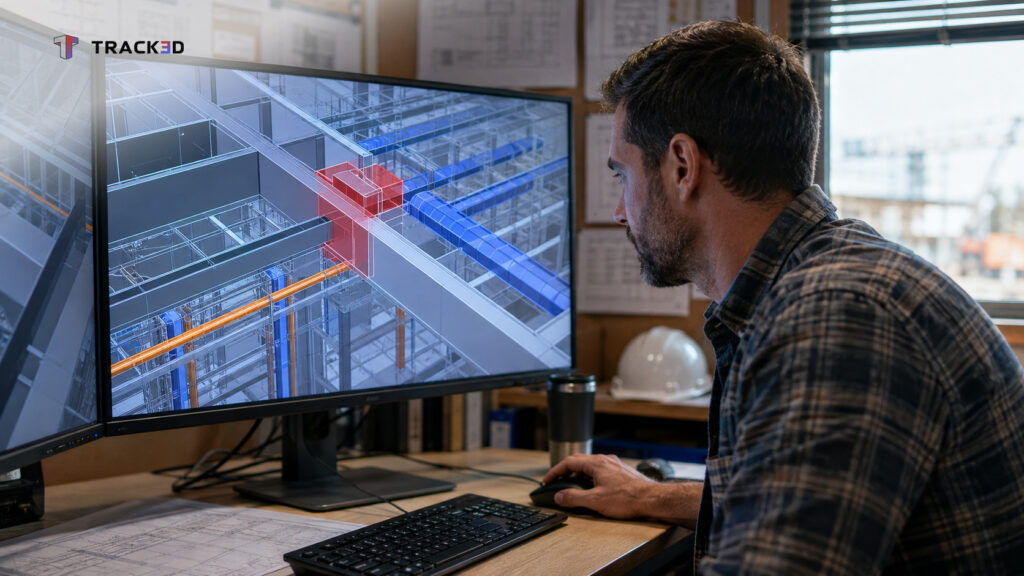
A mechanical coordinator opens the federated model two weeks before ductwork installation. A duct run cuts straight through a structural beam. The clash sits on screen, not on the jobsite, and nobody has to tear anything out to fix it. That single catch isn’t an isolated win. As per a 2020 study in the Journal […]